
Navigating New IMDG Regulations: A Safety Guide for Shipping Carbon-Based Commodities (2026)
Introduction: Understanding Carbon-Based Commodities in Global Logistics
Carbon-based products, encompassing a range of materials from charcoal to activated carbon, are commonly shipped via ocean freight. However, their inherent hazardous properties—particularly their propensity for spontaneous heating and combustion—are often underestimated, leading to significant safety risks during transport. As a leading international freight forwarder based in Shenzhen, China, we aim to provide our global clients, including overseas buyers and industry stakeholders, with clear, professional guidance on the latest regulatory framework governing these goods.
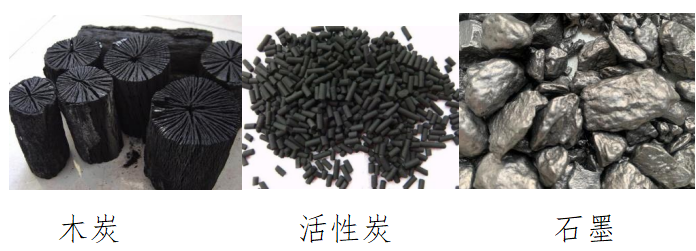
Effective from the IMDG Code Amendment 41-24, the regulations for carbon-based products have undergone substantial revisions, introducing stricter requirements for their classification, packaging, stowage, and documentation. This article synthesizes these critical updates to ensure safe, compliant, and efficient transportation within the global supply chain.
1. Product Overview and Hazard Classification
Carbon-based commodities are primarily categorized into three groups based on their source material:
- Carbon from Animal or Vegetable Origin (UN 1361): This includes products like wood charcoal, bamboo charcoal, and coconut shell charcoal. It is crucial to note that wood charcoal is currently prohibited for export from China, limited to domestic transport only.
- Mineral-Based Carbon (Non-Active): Products such as coke, petroleum coke, and graphite, derived from fossil fuels or natural minerals, are typically not classified under the new IMDG entries for carbon but may have other regulatory considerations.
- Activated Carbon (UN 1362): This refers to porous microcrystalline carbon materials obtained through an activation process, commonly used in filtration and purification.
Under the revised IMDG Code, the following are now clearly defined as Class 4.2 (Spontaneously Combustible Substances):
| UN Number | Proper Shipping Name | Class | Packing Group | Special Provisions |
|---|---|---|---|---|
| UN 1361 | CARBON, from animal or vegetable origin | 4.2 | II or III | 978 |
| UN 1362 | CARBON, ACTIVATED | 4.2 | III | 979 |
Key Change: A key change in Special Provision 978 stipulates that the UN N.4 test cannot be used to exempt UN 1361 products from classification. Without appropriate testing, such products must be transported under Packing Group III at minimum.
2. Updated Packaging and Containerization Requirements
Packaging (UN 1361 & UN 1362): Packaging must comply with specific instructions (P002, IBC codes). For UN 1361, Packing Group III allows the use of Large Packagings (LP02). For UN 1362, when packed per P002, packages must be hermetically sealed. Certain flexible bulk containers (e.g., 5M1, 5H1, 5L1) are no longer mandatory for transport in closed cargo transport units.
Container Loading (Critical for UN 1361): Specific pre-loading conditioning is mandatory:
- Unpackaged product must be "weathered" for at least 14 days (sheltered but open to air) before packing.
- After packaging, parcels must be stored under loose covers or in the open for a minimum of 24 hours prior to loading.
- The temperature of the material at the time of packing must not exceed 40°C (104°F).
- Transport documentation must include the production date, packing date, and material temperature on the packing day.
Stowage within Cargo Transport Units (CTUs):
- A minimum 30 cm (12 in) of ullage (headspace) must be maintained at the top of the container.
- Alternatively, if package dimensions permit, a 15 cm (6 in) gap between packages must be ensured to allow for heat dissipation.
3. Stowage, Segregation, and Emergency Response
Stowage Class: Both UN 1361 and UN 1362 are assigned Stowage Category A (allowed on or under deck). They must be stowed away from sources of heat and kept as cool as practicable.
Special Measures for Breakbulk Shipment (UN 1361): When shipped as breakbulk, the following are required:
- Temperature Monitoring: Record cargo temperature three times daily during the voyage.
- Emergency Preparedness: Vessels must be equipped to flood holds with CO2 or inert gas if cargo temperature exceeds 55°C (131°F) and continues to rise.
Emergency Response (EmS Guide):
- Fire: Use water spray from a safe distance. For holds, stop ventilation, batten down hatches, and use fixed fire-extinguishing systems or copious water spray. Jettison burning packages if safe to do so.
- Spillage: Personnel must wear appropriate protective clothing, spark-proof footwear, and self-contained breathing apparatus. Eliminate all ignition sources. Keep spillage wet and remove solids overboard. Wash down decks with copious water.
4. Exemption for Activated Carbon (UN 1362)
The provisions of the IMDG Code do not apply to activated carbon under UN 1362 if either of the following conditions is met:
- A shipper's declaration stating the substance is steam-activated carbon.
- A certificate from a competent authority-approved laboratory, based on the UN Manual of Tests and Criteria (Section 33.4.6), confirming a negative result for the Class 4.2 test.
Conclusion: Prioritizing Safety and Compliance
The safe ocean transport of carbon-based commodities demands strict adherence to the new IMDG regulations and a proactive risk management approach. Industry reports, such as the CINS Safety Guidelines for the Carriage of Charcoal and Carbon-Based Products in Containers (September 2024), highlight that misdeclared cargo (e.g., labeled as "bamboo products" or "carbon briquettes") is a root cause of many recorded fires. It is imperative for all supply chain partners—shippers, forwarders, and carriers—to ensure accurate classification, declaration, and handling procedures.
As your logistics partner, we are committed to guiding you through these complex regulations to ensure your cargo is shipped safely, compliantly, and efficiently. For specific shipment planning and documentation assistance, please contact our hazardous materials logistics specialists.
Disclaimer: This guide provides general information based on IMDG Code Amendment 41-24. Always consult your freight forwarder and certified dangerous goods personnel for specific cargo requirements. Regulations are subject to change.