
Navigating the Complexities of Magnesium Oxide Shipping: A Critical Guide for International Trade
—— A Focus on Shipping Magnesium Oxide from China
Understanding IMSBC Classifications to Ensure Safe and Compliant Transport
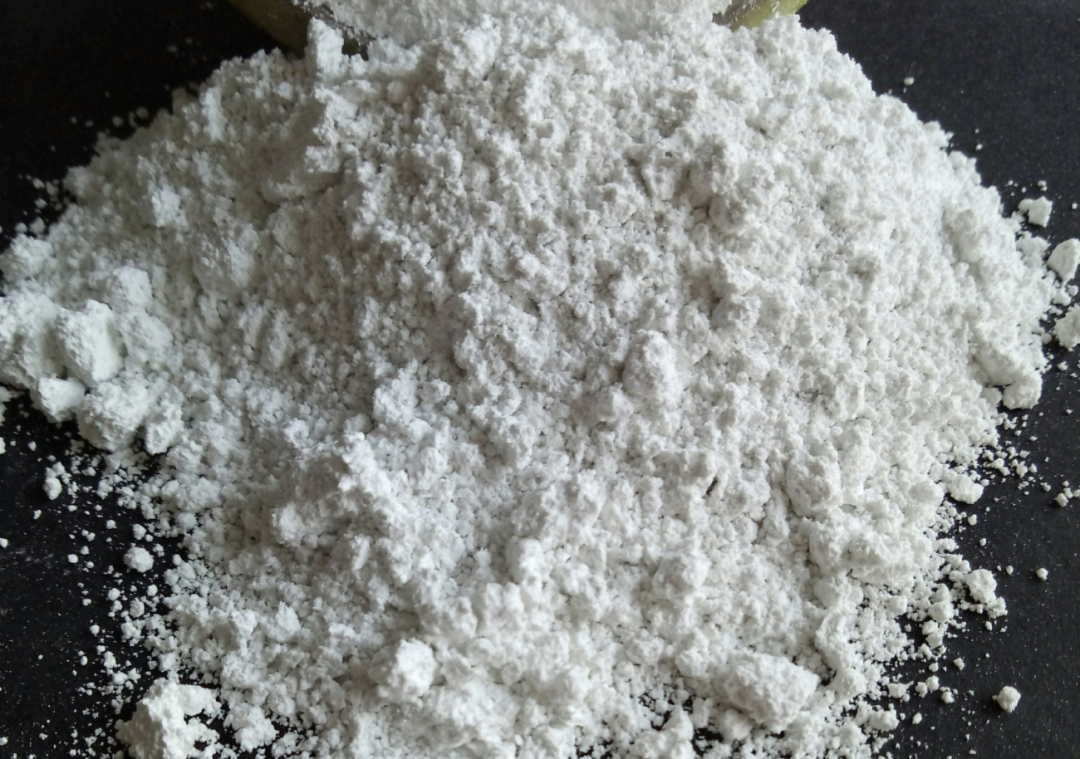
As a seasoned international freight forwarder based in Shenzhen, China, we frequently encounter a specific and potentially costly misunderstanding in the logistics of industrial minerals: the transportation of Magnesium Oxide (MgO). What many shippers and consignees may not realize is that not all Magnesium Oxide is created equal in the eyes of maritime regulations. A misclassification can lead to severe penalties, shipment delays, and significant safety risks. It is precisely this expertise in hazardous and chemical cargo classification that defines a professional logistics partner.
The root of the confusion lies within the International Maritime Solid Bulk Cargoes (IMSBC) Code, the governing regulation for dry bulk shipments. The Code lists two distinct entries for Magnesium Oxide, each with vastly different handling and regulatory requirements:
| Type | IMSBC Group | Characteristics |
|---|---|---|
| Magnesia (Dead-burned) | Group C (Non-Dangerous) | Produced by calcining magnesite at very high temperatures (1500-2000°C). Chemically stable, inert, does not react with water. Properties similar to gravel. Generally considered a low-hazard, non-dangerous good for transport. Also applies to: Magnesia (dead-burned), Magnesite (dead-burned), or electro-fused Magnesia. |
| Magnesia (Unslaked) | Group B (Dangerous Goods) | Produced at lower calcination temperatures (700-1000°C). Highly reactive. Hygroscopic (readily absorbs moisture) and undergoes a hydration reaction with water, producing magnesium hydroxide, releasing heat, and causing volumetric expansion. Poses risks of corrosion, self-heating, and potentially igniting combustible materials. Also includes: light-burned magnesia or caustic calcined magnesia. |
Why This Distinction is Non-Negotiable
The difference between "Dead-burned" (Group C) and "Unslaked" (Group B) is not merely technical—it dictates the entire logistical and regulatory pathway.
Regulatory Declaration: Shipping Magnesia (Unslaked) / Group B entails full compliance with dangerous goods regulations. This mandates a Dangerous Goods Declaration submitted to the maritime safety authorities well in advance of port arrival (typically 24 hours). Failure to declare is a serious violation. In contrast, Dead-burned Magnesia (Group C) follows standard bulk cargo procedures.
Safety and Stowage on Board: The reactive nature of Unslaked Magnesia demands strict safety protocols:
- Segregation: It must be "separated from" all packaged dangerous goods and other Group B solid bulk cargoes.
- Weather Protection: Cargo holds must be absolutely dry. Loading or unloading is prohibited during precipitation, and relevant hatch covers must be secured.
- Dust and Personnel Protection: Due to its caustic nature, measures must prevent dust ingress into engine rooms and living quarters. Personnel handling the cargo require goggles, dust masks, and protective clothing.
Cargo Care: For Dead-burned Magnesia, due to its high density, proper trimming in holds is crucial to ensure even weight distribution and prevent undue stress on the ship's structure.
The Role of Your Expert Freight Forwarder
This complex landscape underscores the critical importance of engaging a knowledgeable logistics partner. Our role extends beyond booking cargo space. We act as your safeguard by:
- Accurate Classification: We work directly with you, the shipper, to determine the exact production process of your Magnesium Oxide cargo. This is the first and most critical step.
- Correct Documentation: We ensure the correct Transport Name ("Magnesia (Dead-burned)" or "Magnesia (Unslaked)") and UN/Group are applied on all shipping documents, including the Dangerous Goods Declaration if required.
- End-to-End Compliance: We manage the entire declaration process with authorities, coordinate with the vessel operator on specific stowage and segregation plans, and verify that all necessary safety precautions (e.g., manufacturer's certificate for dead-burned cargo) are in place.
Conclusion
The journey of Magnesium Oxide from factory to destination is paved with specific regulatory and safety requirements. The key to a smooth, compliant, and safe shipment lies in precise initial classification. By partnering with a freight forwarder that possesses deep expertise in IMSBC codes and hazardous materials logistics, you mitigate the risks of non-compliance, avoid costly delays and penalties, and ensure the integrity of your supply chain. For your next shipment containing Magnesium Oxide or any industrial mineral, let us provide the clarity and professional handling this complex cargo demands.
Disclaimer: This guide provides general information based on IMSBC Code regulations. Always consult your freight forwarder and certified dangerous goods personnel for specific cargo requirements. Regulations are subject to change.