
Metal Corrosives in International Logistics: Key Points for Safe Shipping
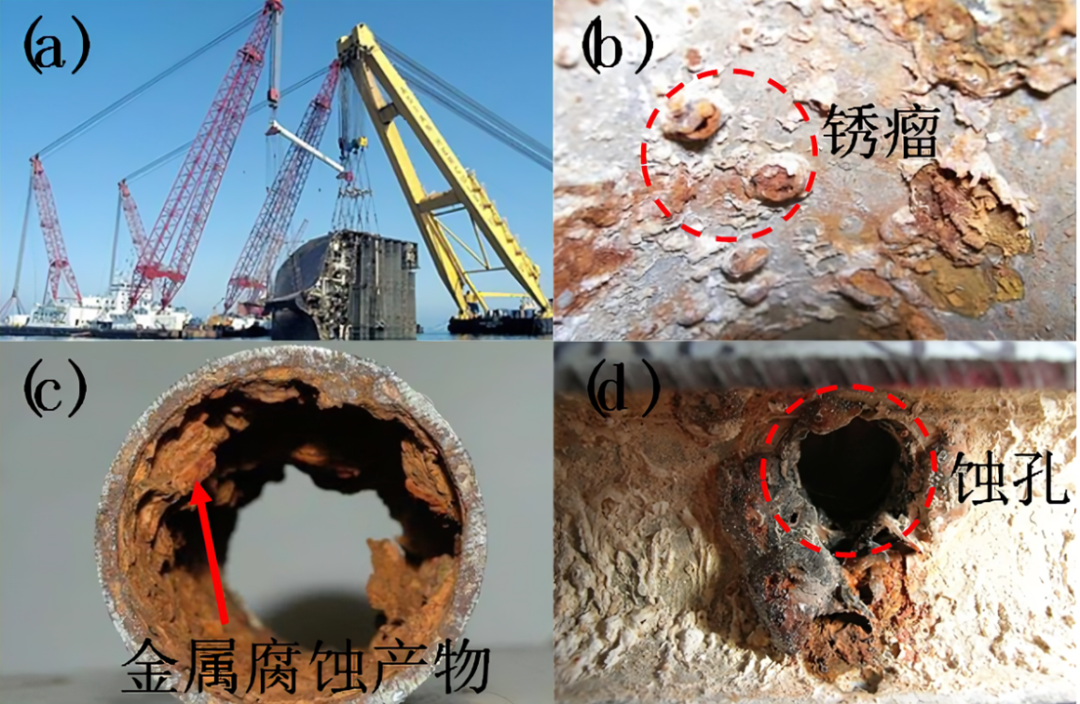
Metal corrosives, classified under the Globally Harmonized System (GHS), are substances that can chemically damage or destroy metals. In logistics, this poses risks of container damage, environmental harm, and safety incidents.
GHS Classification & Labeling
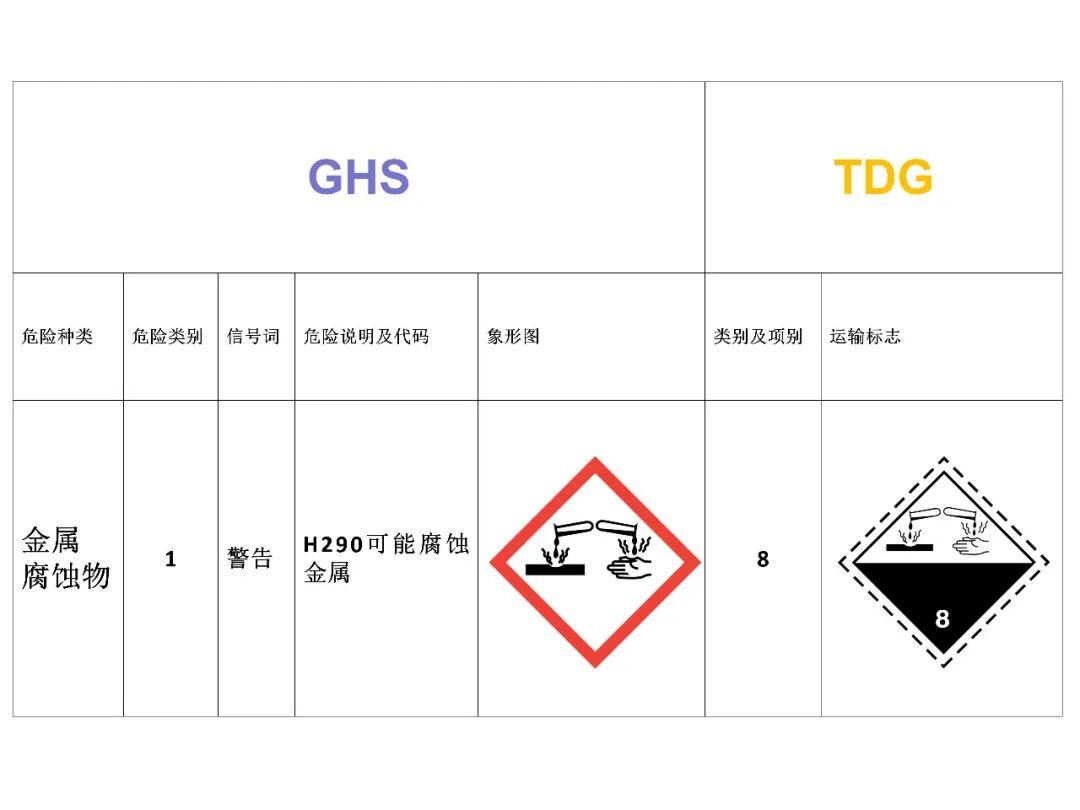
| Category | Criterion | Labeling | Transport Class |
|---|---|---|---|
| Category 1 | Corrosion rate on steel or aluminum exceeds 6.25 mm/year at 55°C | • Signal word: "Warning" • Hazard statement: H290 ("May be corrosive to metals") • Corrosive pictogram |
Class 8 (UN Model Regulations / TDG / IMDG Code) |
Logistics Implications
Proper classification is mandatory for:
- Safety: Preventing leaks and structural failures during sea or air transport.
- Compliance: Meeting IMDG Code (sea) and IATA DGR (air) requirements.
- Efficiency: Avoiding customs delays, fines, or cargo rejection.
Classification Process
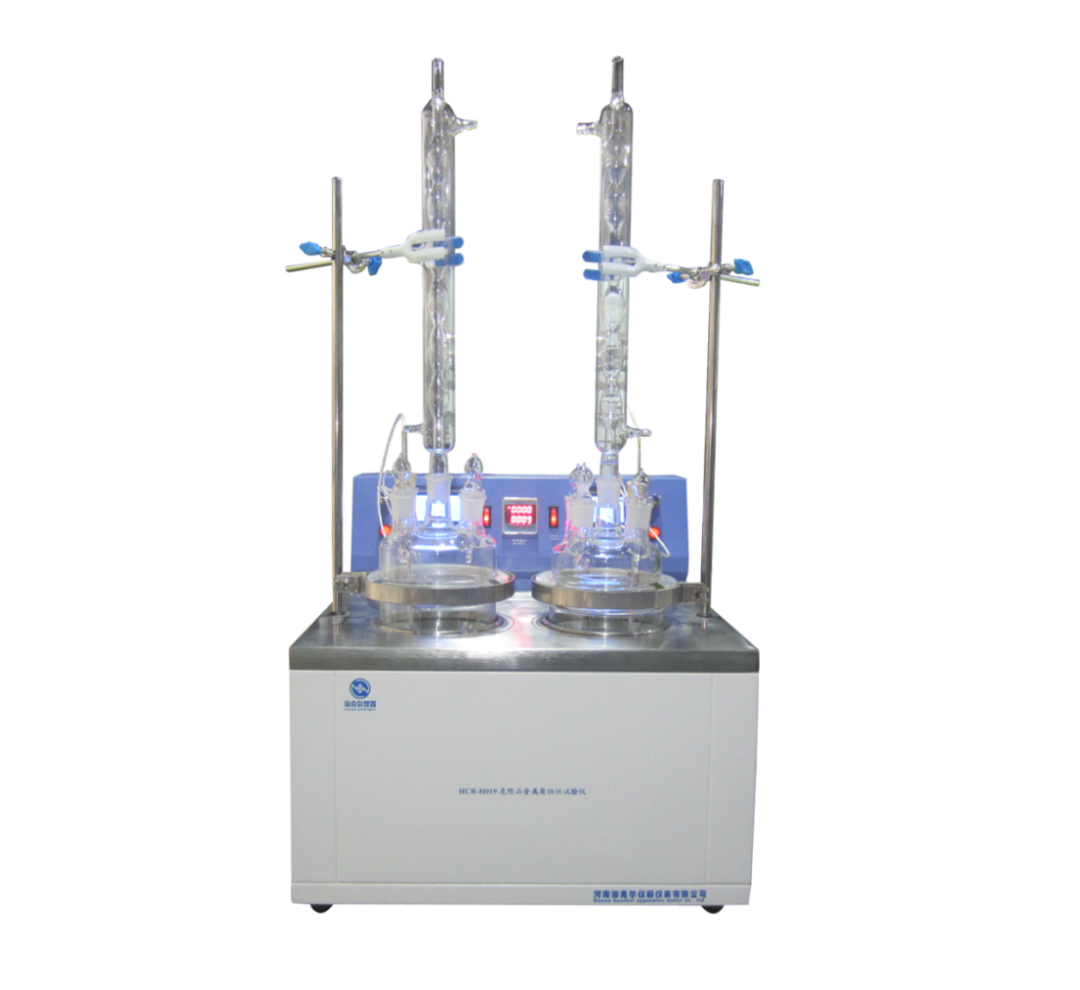
- Method: Standardized metal corrosion testing (e.g., per UN Manual of Tests and Criteria).
- Scope: Applies to liquids and solids that may liquefy during transport.
- Outcome: A substance is either classified as a "Metal Corrosive, Category 1" or not.
Action for Shippers
Ensure compliant shipments by:
- Procuring a Hazard Classification Report for the substance.
- Verifying that Safety Data Sheets (SDS) and packaging labels reflect the correct GHS classification.
- Using UN-certified packaging and declaring the goods accurately to the freight forwarder and carrier.
Key Takeaway: Failure to comply can result in supply chain disruptions, safety hazards, and significant liabilities. Proper classification, testing, and documentation are essential for the safe transport of metal corrosives.