
Understanding the Shipping Classification of Perfluorohexanone Fire Suppression Systems: A Guide for International Buyers
—— A Focus on Shipping Perfluorohexanone Systems from China
As a leading international freight forwarder based in Shenzhen, we often receive inquiries from overseas clients and purchasers regarding the logistics of shipping advanced fire protection equipment, such as systems utilizing perfluorohexanone. A common and critical question is: "Are perfluorohexanone fire extinguishers considered dangerous goods?" The answer is not a simple yes or no; it depends entirely on the specific construction of the extinguishing unit. This guide clarifies the shipping classifications to ensure compliant and safe international transport.
1. The Fire Suppressant Itself: Generally Not Dangerous Goods
First, it's important to distinguish the agent from the apparatus. Perfluorohexanone extinguishing agent, in its pure liquid form under normal temperature and pressure, is generally not classified as a dangerous good for transport. It is a colorless, odorless liquid that easily vaporizes, making it an effective and environmentally friendly Halon replacement. It can typically be stored and shipped in standard containers without the stringent regulations applied to hazardous materials. Its Chinese national standard (GB 45944-2025) is set for implementation in August 2026, underscoring its standardized safety profile.
2. The Complete Fire Suppression Unit: Classification is Key
The shipping classification changes when the agent is integrated into a pressurized delivery system. The hazard stems primarily from the propellant or gas-generating component, not the perfluorohexanone itself. The International Maritime Dangerous Goods (IMDG) Code and IATA Dangerous Goods Regulations (DGR) classify these systems based on their design:
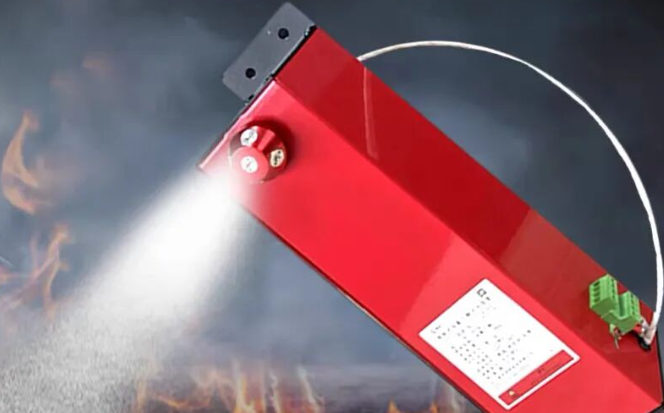
Internally Pressurized (Cylinder) Units
Design: The perfluorohexanone and a pressurized expellant gas (e.g., nitrogen) are stored together in a single cylinder.
Shipping Classification: These units ARE Dangerous Goods They are typically assigned under:
- UN 1044, Compressed gas, n.o.s. (e.g., Nitrogen), Class 2.2 (Non-flammable, non-toxic gas). or
- UN 3500, Pressurized chemical, n.o.s., Class 2.2.
Logistics Impact: Requires full dangerous goods declaration, packaging, marking, labeling, and documentation for both sea (IMDG) and air (IATA) freight.
Externally Pressurized Units
Design: The agent and the driver gas are stored in separate containers, usually shipped disassembled.
Shipping Classification: The pressure cylinder containing the expellant gas (e.g., nitrogen) is classified as a Class 2.2 Dangerous Good (UN 1044, etc.). The container holding only the liquid perfluorohexanone agent may be shipped as non-hazardous, depending on specific regulations and interpretations. Proper segregation and declaration of the pressure vessel are mandatory.
Gas-Generating (Pyrotechnic) Units
Design: A solid pyrotechnic charge (gas generant) inside the unit produces gas upon ignition to expel the agent.
Shipping Classification: This is the most complex category, governed by specific UN entries for "Fire Extinguisher Charges" or "Engine, pyrotechnic."
| UN Number | Proper Shipping Name | Class | Conditions / Special Provisions |
|---|---|---|---|
| UN 0514 | Fire Extinguisher Charges | 1.4S | If the unit passes specific test criteria (Test Series 6(c) in UN Manual of Tests and Criteria). Special Provision 407 applies. |
| UN 3559 | Fire Extinguisher Charges | Class 9 (Miscellaneous) | Lower-hazard classification possible only if the unit meets additional, stricter exclusion criteria (e.g., safety in occupied spaces, external temperature limits) and has approval from the competent authority of the state of manufacture. |
Logistics Impact: Strict regulations apply. Units classified as 1.4S require explosives labeling and documentation. All such units must be transported with activation devices removed or with at least two independent safety features to prevent accidental activation.
Conclusion and Recommendation for International Procurement
When sourcing perfluorohexanone fire suppression systems from China, the product's shipping classification is a critical component of your Incoterms and logistics planning. Simply describing an item as a "perfluorohexanone fire extinguisher" is insufficient for freight compliance.
Proactive Steps for Shippers and Buyers:
- Identify the Exact Type: Determine if the system is internally pressurized, externally pressurized, or gas-generating.
- Request the UN Number and MSDS: The manufacturer or supplier must provide the correct United Nations Number (UN/ID No.), proper shipping name, hazard class, and a complete Material Safety Data Sheet (MSDS/SDS) for the complete unit.
- Engage Your Freight Forwarder Early: Share the full product specifications, UN number, and MSDS with your logistics partner during the quotation and booking stage. This allows for accurate cost calculation (surcharges for DG apply), proper packaging instructions, and correct documentation preparation, avoiding costly delays, rejection, or penalties at the port or airport.
By understanding these distinctions, international buyers can ensure their supply chain for this effective fire safety technology is efficient, compliant, and safe from the factory in China to its final destination.
Quick Reference: Classification Summary
| System Design | Shipping Classification | UN Number | Hazard Class |
|---|---|---|---|
| Pure Agent (liquid only) | Non-Dangerous Goods | — | General cargo |
| Internally Pressurized Cylinder | Dangerous Goods | UN 1044 / UN 3500 | Class 2.2 |
| Externally Pressurized (gas cylinder separate) | Gas cylinder: DG; Liquid agent: non-DG | UN 1044 (for cylinder) | Class 2.2 |
| Gas-Generating (pyrotechnic) – passes Test 6(c) | Dangerous Goods | UN 0514 | Class 1.4S |
| Gas-Generating (pyrotechnic) – meets exclusion criteria | Dangerous Goods | UN 3559 | Class 9 |
Disclaimer: This guide is for informational purposes based on IMDG Code and IATA DGR regulations. Classification may vary based on specific product design, packaging, and competent authority approvals. Always consult official sources or professional logistics advisors for individual shipments.