
Demystifying Shipment Classification: The Critical Distinction Between Petroleum Coke and Metallurgical Coke in Maritime Transport
—— A Focus on Shipping Petroleum Coke and Metallurgical Coke from China
Ensuring Safety and Compliance for Your Cargo from China
As a seasoned international freight forwarder based in Shenzhen, China, we frequently handle bulk shipments of industrial materials. A common and critical point of confusion encountered in global supply chains, particularly for buyers sourcing from China, is the misclassification of Petroleum Coke and Metallurgical Coke. This is not merely a matter of semantics; it is a fundamental distinction that dictates legal compliance, safety protocols, and the entire logistics execution plan. Misidentification can lead to severe operational risks, regulatory penalties, and shipment delays. This article clarifies the key differences and outlines the mandatory requirements for the safe ocean transport of Petroleum Coke.
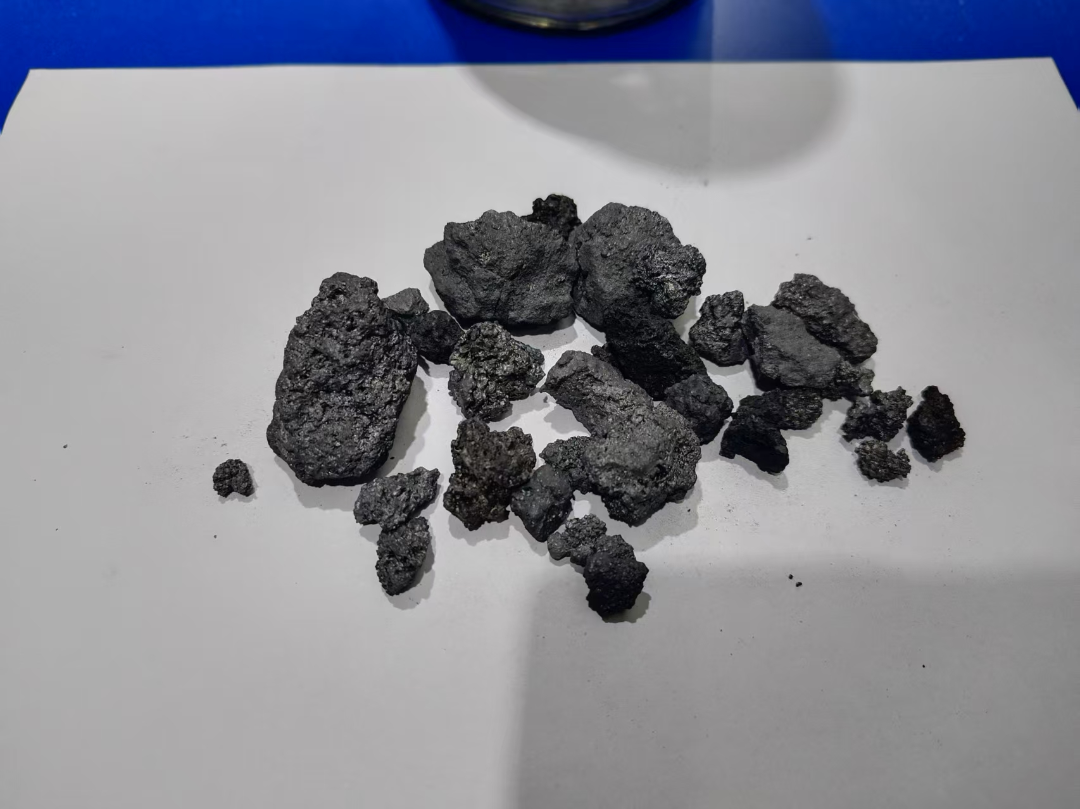
1. Core Product Distinction: Source Defines Category
The most crucial fact is that Petroleum Coke and Metallurgical Coke are entirely different commodities in the eyes of maritime regulators.
- Petroleum Coke: A by-product of the oil refining process. It is a black, granular or powdery solid residue with a carbon content exceeding 80%. It is primarily used in aluminum and steel industries. According to the International Maritime Solid Bulk Cargoes (IMSBC) Code, it is classified as a Group B cargo. Crucially, under Chinese maritime regulations, such as the Regulations on the Safety Supervision of Carrying Dangerous Goods by Ships, Petroleum Coke (both calcined and uncalcined) in bulk is legally defined as a DANGEROUS GOODS for transport.
- Metallurgical Coke: Produced by the high-temperature carbonization (coking) of coal. It is a hard, porous material also with high carbon content, used mainly in blast furnaces for iron production. Per the IMSBC Code, it is classified as a Group C cargo and is NOT considered a dangerous goods for maritime transport.
Key Takeaway: The origin (oil vs. coal) determines the official transport classification (Group B/Dangerous vs. Group C/Non-Dangerous), which triggers a completely different set of regulatory requirements.
2. Official Shipping Name & Hazards
For accurate documentation and declaration, the correct shipping names are:
- Bulk Shipping Name (EN): PETROLEUM COKE (calcined or uncalcined)
- Bulk Shipping Name (CN): 石油焦炭(煅烧的或未煅烧的)
Primary Hazard: While not highly flammable, uncalcined petroleum coke is prone to self-heating and spontaneous combustion if not handled and transported in strict accordance with the IMSBC Code. This risk mandates specific safety measures.
3. Mandatory Logistics & Operational Protocols
Transporting Petroleum Coke requires a meticulously planned and executed logistics operation.
- Regulatory Approval: Since it is classified as dangerous goods, a mandatory administrative approval from the Maritime Safety Administration (MSA) is required prior to shipment. The forwarder or carrier must submit the dangerous goods declaration, typically 24 hours before the vessel's arrival or departure.
- Stowage and Segregation: As per the IMSBC Code, Petroleum Coke must be:
- "Separated from" foodstuffs.
- "Separated by a complete compartment or hold from" explosives (Class 1.1, 1.5) and other dangerous/hazardous materials.
- Loading Management:
- Cargo holds must be clean and dry.
- Strict temperature control is paramount: Special procedures are required when loading over fuel tanks or when the cargo itself is hot. A base layer of cooler coke must be laid first.
- CRITICAL PROHIBITION: Loading is strictly forbidden if the cargo temperature exceeds 107°C (approximately 225°F). Vessel masters are required to post high-temperature warnings near cargo spaces.
- Emergency Preparedness: Ships must carry specific emergency equipment, including Self-Contained Breathing Apparatus (SCBA) and protective clothing. In case of fire, the standard procedure is to seal the cargo hold and utilize fixed gas fire-extinguishing systems to smother the fire.
Quick Reference: Petroleum Coke vs Metallurgical Coke
| Feature | Petroleum Coke | Metallurgical Coke |
|---|---|---|
| Source | Oil refining by-product | High-temperature carbonization of coal |
| IMSBC Classification | Group B (Dangerous Goods) | Group C (Non-Dangerous) |
| Primary Hazard | Self-heating / spontaneous combustion (uncalcined) | No significant hazard for transport |
| MSA Approval Required | YES (mandatory prior to shipment) | NO |
| Temperature Limit | Loading prohibited above 107°C (225°F) | No specific temperature restriction |
| Stowage Segregation | Must be separated from foodstuffs and explosives | General stowage, no special segregation |
| Emergency Equipment | SCBA, protective clothing, gas fire-extinguishing systems | Standard bulk carrier equipment |
Conclusion for International Buyers
When procuring bulk Petroleum Coke from China, engagement with a knowledgeable logistics partner is non-negotiable. The error of classifying it as ordinary "coke" can invalidate insurance, cause port state detentions, and create serious safety hazards. Always ensure your supplier provides the correct Material Safety Data Sheet (MSDS) and that your freight forwarder handles all dangerous goods declarations, vessel compatibility checks, and stowage plans in compliance with the IMSBC Code and local regulations. Ensuring this distinction is clear from the purchase order stage is the first and most critical step towards a safe, compliant, and efficient shipment.
Pre-Shipment Checklist for Petroleum Coke
- ✔ Confirm cargo type: calcined or uncalcined petroleum coke
- ✔ Obtain and review MSDS from supplier
- ✔ Verify cargo temperature before loading (< 107°C / 225°F)
- ✔ Submit dangerous goods declaration to MSA (24 hours prior)
- ✔ Ensure vessel holds are clean and dry
- ✔ Plan stowage segregation (away from foodstuffs and explosives)
- ✔ Confirm vessel carries SCBA and protective clothing
- ✔ Post high-temperature warnings at cargo spaces if required
Disclaimer: This guide is based on IMSBC Code and Chinese maritime regulations. Regulations are subject to change. Always consult your freight forwarder and certified dangerous goods personnel before shipping bulk cargo.