
Navigating the Safe Transport of Phosphorus: A Guide for International Shippers
—— A Focus on Shipping Phosphorus from China
Phosphorus, a crucial industrial element, presents a unique and significant challenge in the global supply chain due to its diverse and hazardous allotropes. For international buyers, importers, and logistics professionals sourcing chemical products from regions like China, understanding the specific regulatory and safety requirements for shipping different forms of phosphorus is paramount. Failure to comply with international transport regulations can lead to severe safety incidents, legal penalties, and supply chain disruptions.
Understanding the Allotropes: From Discovery to Danger
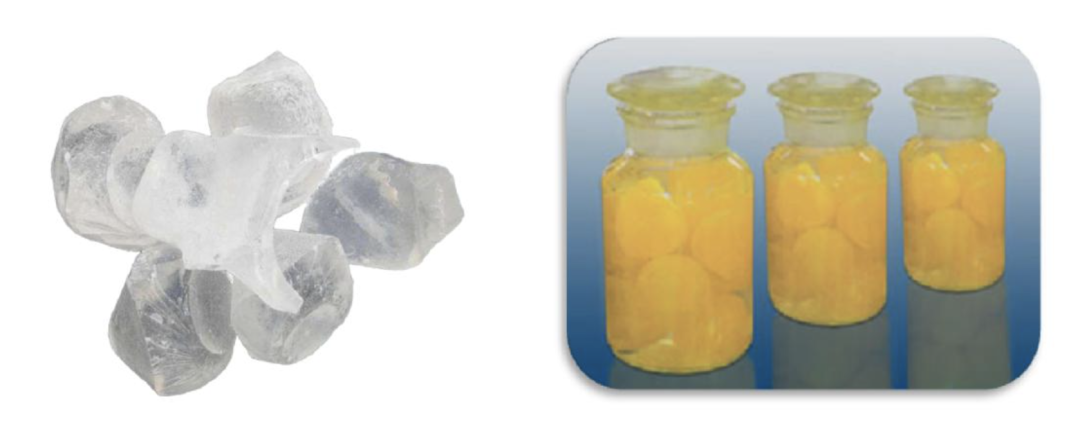
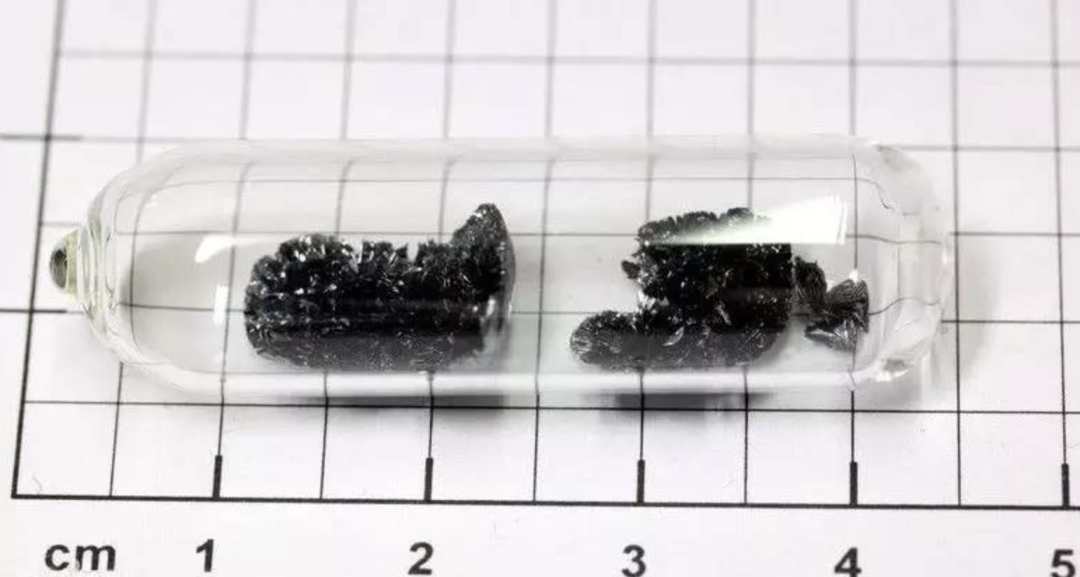
Phosphorus exists primarily in three forms relevant to transport: white (or yellow) phosphorus, red phosphorus, and black phosphorus. Their properties differ dramatically, dictating their hazard classification.
- White/Yellow Phosphorus (UN 1381): This is the most hazardous form. It is pyrophoric (ignites spontaneously in air at temperatures as low as 40°C), highly toxic (marine pollutant), and must be stored under water. Its primary hazards are categorized under IMO Class 4.2 (Substances Liable to Spontaneous Combustion) with a subsidiary risk of Class 6.1 (Toxic Substances). Packaging must be hermetically sealed (e.g., following IMO packing instruction P405).
- Red/Amorphous Phosphorus (UN 1338): This more stable, non-pyrophoric form is classified as a Class 4.1 (Flammable Solid). It can ignite from friction and reacts with water to release irritating fumes. It is typically assigned to Packing Group III.
- Black Phosphorus: This stable allotrope is generally not regulated as dangerous goods for transport under normal conditions.

Critical IMDG Code Compliance for Sea Transport
The International Maritime Dangerous Goods (IMDG) Code provides the definitive framework. Misdeclaration or treating these as general cargo is illegal and dangerous.
| Substance | IMDG Class | UN Number | Marine Pollutant? | Packing Group | Key Packing Instructions (Examples) | Stowage & Segregation |
|---|---|---|---|---|---|---|
| White/Yellow Phosphorus | 4.2 | 1381 | Yes (6.1P) | I | P405, PP31; Portable Tanks: T9, TP3, TP31 | Stowage Category E. Not permitted on passenger ships carrying more than 25 persons. |
| Red/Amorphous Phosphorus | 4.1 | 1338 | No | III | P410; IBCs: IBC08, B3; Portable Tanks: T1, TP33 | Stowage Category A. "Separated from" Class 5.1 (Oxidizing Agents). |
Key Logistics & Packaging Requirements
- For UN 1381 (White/Yellow Phosphorus): Transport is strictly regulated. It may be shipped in portable tanks under specific conditions (e.g., minimum shell thickness, no bottom openings) but is prohibited in IBCs. Cargo transport units must be appropriately marked and placarded.
- For UN 1338 (Red Phosphorus): Packaging must be sift-proof and water-resistant. Special provisions apply for bulk transport in approved Intermediate Bulk Containers (IBCs) or portable tanks designed for powders/granules.
Emergency Response Considerations
- Fire: For small fires, use dry sand. For larger fires, use water spray. After extinguishing, cover with wet sand to prevent re-ignition. Toxic fumes (phosphorus oxides) are produced.
- Spill: Eliminate all ignition sources. Contain the spill. For small spills, collect with a clean, dry tool. For large spills, prevent entry into waterways or drains.
- Personal Exposure: In case of skin or eye contact, rinse immediately with plenty of water for 15-20 minutes and seek medical attention. For inhalation, move to fresh air.
Conclusion for the International Trade Community
The safe and compliant transport of phosphorus allotropes is non-negotiable. It requires:
- Accurate Identification and Declaration: Pre-shipment analysis and correct classification are the shipper's responsibility.
- Expert Logistics Partnering: Work with freight forwarders and carriers who have proven expertise in handling dangerous goods and a deep understanding of the IMDG Code, IATA DGR (for air), and local regulations (e.g., China's transport rules).
- Documentation & Labeling Integrity: Ensure the Dangerous Goods Declaration, packaging certification, marks, labels, and placards are 100% accurate.
- Transparency: Never misdeclare or omit hazard information. The risks to personnel, assets, and the environment are far too great.
By adhering to these stringent international standards, the global logistics community can manage the risks associated with phosphorus and ensure the secure movement of this essential industrial material. Always consult the latest edition of the IMDG Code and engage certified dangerous goods advisors for your specific shipments.
Pre-Shipment Checklist for Phosphorus Shipments from China
- ✔ Confirm allotrope type: White/Yellow (UN1381), Red (UN1338), or Black (generally non-regulated)
- ✔ Obtain and review Safety Data Sheet (SDS) from supplier
- ✔ Verify IMDG Code classification, class, packing group, and marine pollutant status
- ✔ Ensure packaging meets required packing instructions (P405 for UN1381; P410 for UN1338)
- ✔ For UN1381: Confirm portable tank compliance; IBCs are prohibited
- ✔ For UN1338: Ensure sift-proof and water-resistant packaging
- ✔ Complete Dangerous Goods Declaration (DGD) with accurate UN number and proper shipping name
- ✔ Apply correct Class 4.2 or Class 4.1 labels, marine pollutant mark (if applicable), and placards
- ✔ Verify stowage and segregation requirements with carrier
- ✔ Confirm emergency response equipment and procedures are in place
Disclaimer: This guide is based on the IMDG Code provisions. Regulations are subject to change. Always consult your freight forwarder and certified dangerous goods personnel before shipping phosphorus products.