
Navigating International Logistics for Construction Fasteners: A Guide to Transporting Powder-Actuated Fastening Systems
Compliance, Safety, and Efficiency in Shipping Industrial Fasteners from China
Introduction
As a leading international freight forwarder based in Shenzhen, China, we specialize in the global transport of industrial goods, including specialized construction fasteners such as powder-actuated fastening systems. For international buyers sourcing from China, understanding the logistics and regulatory landscape for shipping these products is crucial. This guide provides key insights into the compliant and efficient transport of powder-actuated fasteners via ocean or air freight.
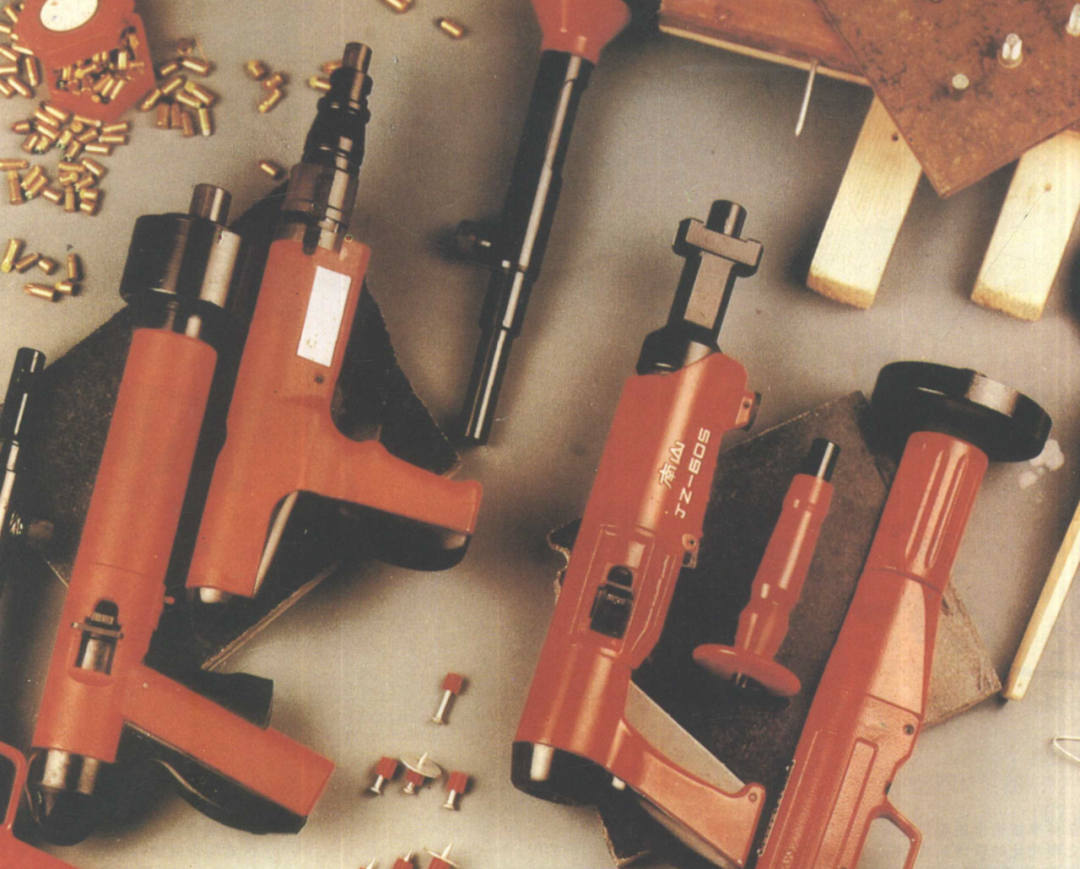
1. Product Overview: Powder-Actuated Fastening Systems
Powder-actuated fastening systems consist of three core components:
- Fasteners (Nails/Pins): Specially treated steel fasteners designed for mechanical and metallurgical anchorage.
- Power Loads (Cartridges): Energy-providing components containing controlled propellant.
- Installation Tools (Actuated Tools): Devices used to drive fasteners into base materials such as steel or concrete.
These systems are widely used in construction, offshore platforms, rail transit, and nuclear facilities due to their high tensile and shear strength, absence of thermal input, and suitability for non-welding environments.
2. Regulatory Classification for Transport
International shipments of powder-actuated fastening systems are subject to strict regulations:
- Fasteners (Standalone): Classified as general cargo (UN/NA not restricted) when shipped without cartridges.
- Power Loads (Cartridges): Classified as Class 1.4S Explosives (UN 0012 or UN 0014) under IMDG Code (sea) and IATA DGR (air).
- Complete Systems (Fasteners + Cartridges): Must be transported as Class 1.4S, following explosive shipping regulations.
Key Compliance Points:
- Cartridges require Explosive 1.4S certification and must be packed in UN-certified packaging.
- Shipping documents must include:
- Material Safety Data Sheet (MSDS)
- Dangerous Goods Declaration (DGD)
- Commercial invoice with proper HS codes.
- Not all airlines or vessels accept Class 1.4S goods; advance booking and carrier approval are mandatory.
3. Packaging and Documentation Best Practices
Packaging Requirements:
- Cartridges must be packed in UN-approved inner and outer packaging.
- Fasteners (without cartridges) should be packed in sealed, moisture-proof materials to prevent corrosion.
- Palletized and containerized shipments should be secured to prevent movement during transit.
Essential Documents:
- Dangerous Goods Declaration (DGD)
- Packing Certificate (for explosives)
- Commercial Invoice and Packing List
- Bill of Lading (ocean) or Air Waybill (air)
- Export licenses (if required by origin/destination countries).
4. Storage and Handling Recommendations
Pre-Shipment Storage:
- Store in a dry environment (humidity ≤60%).
- Conduct regular inspections for corrosion; if superficial "white rust" appears, clean with a nylon brush and water. Avoid acid washing to prevent hydrogen embrittlement.
During Transport:
- For sea freight: Stow in a ventilated, cool area away from heat sources.
- For air freight: Comply with IATA segregation rules—explosives must be separated from other hazardous materials.
5. Choosing the Right Logistics Partner
Working with a freight forwarder experienced in dangerous goods logistics is critical. Key capabilities include:
- Expertise in Class 1.4S explosive shipments.
- Knowledge of carrier networks and routing options.
- Support with customs clearance and destination delivery.
- Provision of end-to-end visibility and tracking.
6. Conclusion
Powder-actuated fastening systems offer a reliable, efficient fastening solution for demanding construction applications. To ensure smooth and compliant international shipments, buyers should:
- Verify the classification of goods (fasteners only vs. full systems).
- Prepare complete and accurate documentation.
- Partner with a logistics provider experienced in hazardous materials transport.
By adhering to international regulations and best practices, buyers can minimize transit delays, avoid penalties, and ensure the safe delivery of these specialized industrial products.
Disclaimer: This guide provides general information based on IMDG Code and IATA DGR regulations. Always consult your freight forwarder and certified dangerous goods personnel for specific cargo requirements. Regulations are subject to change.