
Navigating Global Dangerous Goods Logistics: An Introduction to the UN Orange Books for International Supply Chain Partners
As a China-based international freight forwarder headquartered in Shenzhen, we are well-positioned to guide our overseas buyers and supply chain partners through the complexities of shipping products from China, especially when those products are classified as dangerous goods. The safe and compliant transport of chemicals and hazardous materials via air or sea is governed by a universally recognized framework. This article introduces the cornerstone of that framework: the UN "Orange Books."
The "Orange Books": The Global Standard for Dangerous Goods Transport
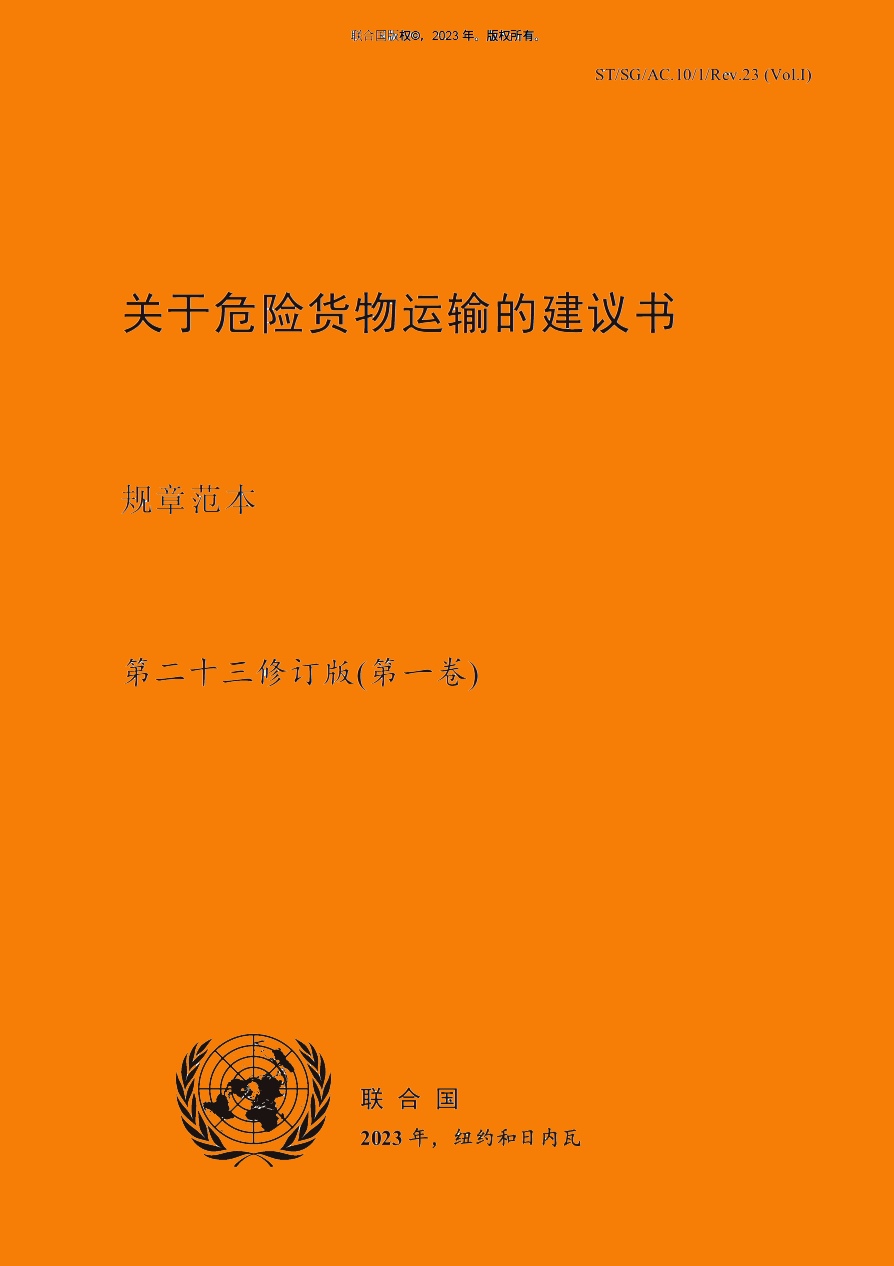
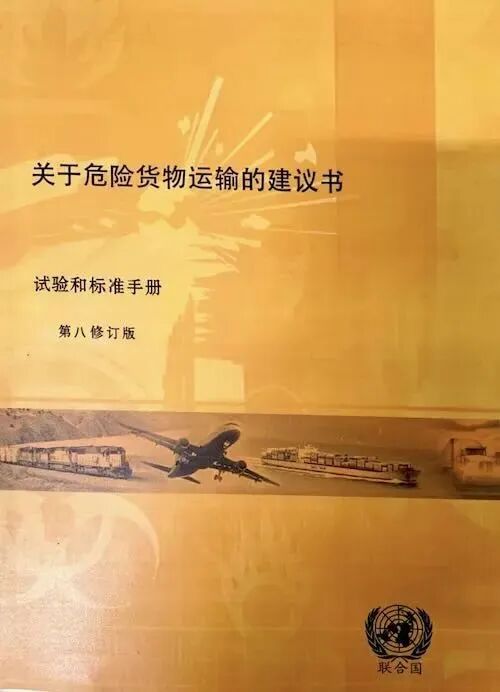
Often referred to as the "Orange Books" due to their distinctive covers, these are two critical publications issued by the United Nations that form the bedrock of international regulations for transporting dangerous goods.
How They Work Together: A Practical Example (Lithium Battery Shipment)
The synergy between the two books ensures both regulatory compliance and practical safety. For a lithium battery shipment from China:
- Testing & Classification: The product undergoes safety testing (e.g., UN 38.3) as prescribed in the Manual of Tests and Criteria.
- Regulatory Assignment: Based on the test results, the Model Regulations are consulted to assign the correct UN Number, proper shipping name, and hazard class (Class 9).
- Compliant Dispatch: The goods are then packed in UN-specification packaging meeting the relevant packing instruction (e.g., PI 965/966/967 for air freight), marked and labeled correctly, and accompanied by the proper documentation for ocean or air transport.
Why This System is Critical for Your Global Supply Chain
- Global Harmonization: Creates a single, predictable set of rules for moving dangerous goods across international borders.
- Enhanced Safety: Scientific classification combined with stringent transport requirements significantly mitigates the risk of incidents during logistics operations.
- Trade Facilitation: Eliminates conflicting national standards, streamlining customs clearance and international shipping processes.
Accessing the Standards
The UN revises these publications approximately every two years. The latest versions can be obtained directly from the UN website, national competent authorities for dangerous goods transport, or through professional standards subscription services.
Application in China
China's regulatory framework for dangerous goods, including the Regulations on the Safe Management of Hazardous Chemicals and the national standard SN/T 0370, is aligned with the UN Model Regulations. Furthermore, Chinese customs and civil aviation authorities directly apply the test methods from the UN Manual of Tests and Criteria for inspection and verification purposes.
Conclusion
For any international buyer sourcing products from China, understanding that your logistics partner adheres to the UN Orange Book standards is paramount. It is the assurance that your dangerous goods shipments are handled with the highest level of safety, regulatory expertise, and global compliance, ensuring seamless and secure movement within the international supply chain.
Disclaimer: This guide provides an introduction to UN Orange Book standards based on public regulatory information. Always consult your freight forwarder and certified dangerous goods personnel for specific cargo requirements. Regulations are subject to revision.