
Determining Mass Explosive Hazard for Transport: The Role of UN Test Series 6(a) in Logistics
In international logistics, particularly for the ocean and air transport of chemicals and dangerous goods, the accurate classification of cargo is the foundational step for ensuring safety and regulatory compliance. A critical determination is whether goods possess a "mass explosive" hazard, as this classification directly dictates the most stringent level of transport requirements.
The United Nations Recommendations on the Transport of Dangerous Goods, Manual of Tests and Criteria defines a pivotal test for this purpose: Test Series 6(a), the Single Package Test.
1. Objective of the Test
Test Series 6(a) simulates a worst-case scenario by initiating an internal ignition or detonation within a single package in its transport-ready condition. The primary objective is to determine if the reaction constitutes a mass explosion—a near-instantaneous detonation of virtually the entire contents—as opposed to a slower burn or localized deflagration. The outcome is decisive for assigning the substance to the strictest transport category, UN Division 1.1 (Substances and articles which have a mass explosion hazard), or to a less hazardous division.
2. Pass/Fail Criteria for a "Mass Explosion"
The test employs clear, physical criteria. If any one of the following effects is observed upon initiation, the substance is defined as having a mass explosion hazard and must be classified as Division 1.1:
- Formation of a crater: A distinct depression is created in the ground at the test site.
- Damage to the witness plate: A sturdy steel witness plate placed beneath the package is deformed or perforated.
- Measurement of a blast wave: Instrumentation records a significant blast overpressure signal.
- Complete rupture and dispersal of the confinement: The surrounding protective material (e.g., sand) used to enclose the test package is shattered and scattered.
Meeting any single criterion triggers the classification, which has immediate and profound implications for logistics operations.
Key Instrumentation for Test Series 6(a) Observation
The following specialized equipment is utilized during the Single Package Test to accurately detect and measure the criteria that determine a mass explosion hazard.
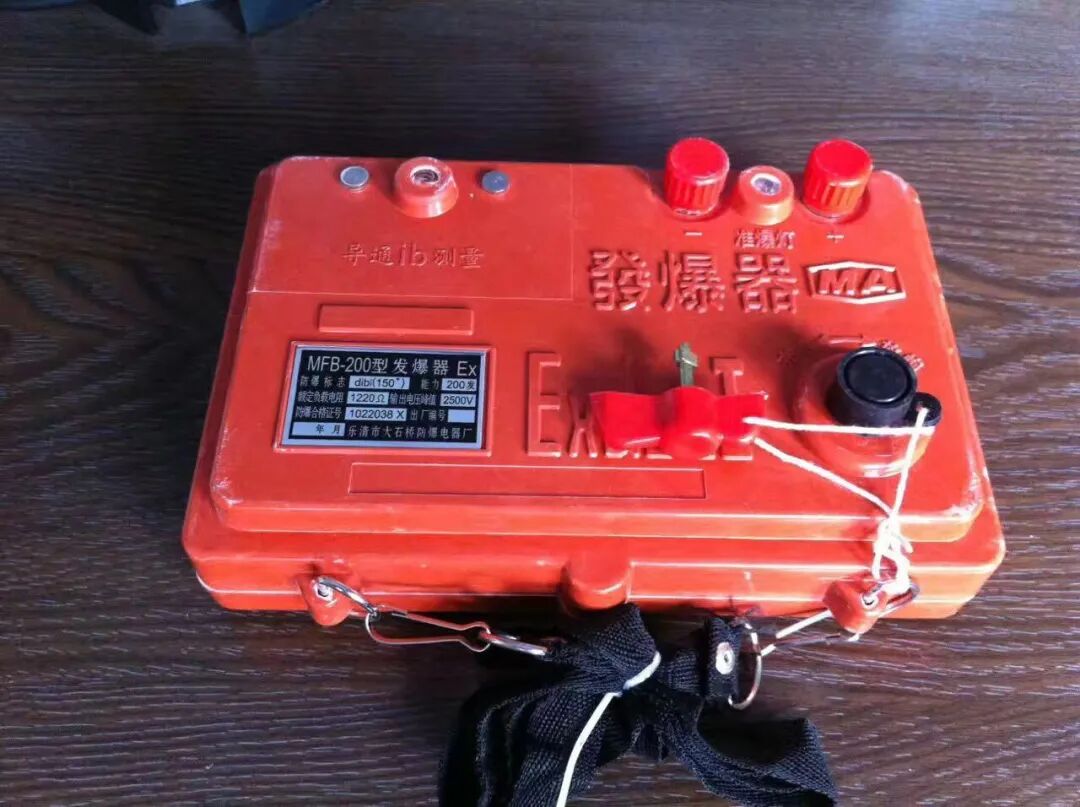
Blasting Machine (Exploder)
Specialized equipment used to detonate the explosive charge and initiate the test specimen
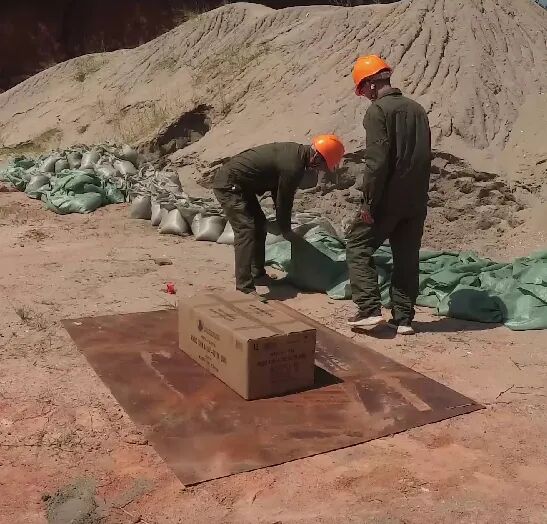
Witness Plate
Steel witness plate to detect deformation or perforation from fragments
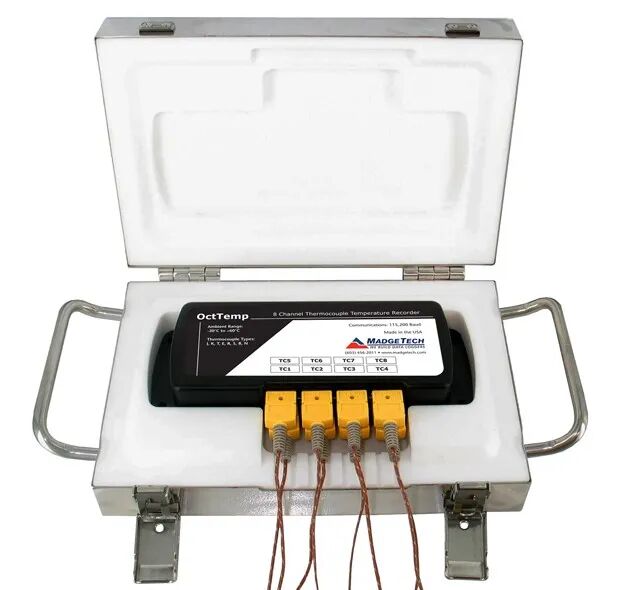
Shock Wave Sensors
High-precision instruments for blast wave and overpressure recording
3. Operational Impact in International Transport
A Division 1.1 classification mandates the highest level of regulatory control:
- Classification & Documentation: The UN Number, Proper Shipping Name (PSN), and the "Explosive 1.1" hazard label become mandatory on all transport documents, including the Dangerous Goods Declaration (DGD).
- Packaging: Goods must be packed in UN-approved, Type I explosive packaging that has passed rigorous design-type tests.
- Stowage & Segregation: In ocean transport, strict compliance with the International Maritime Dangerous Goods (IMDG) Code is required, governing segregation from other dangerous goods, living quarters, and critical ship areas. For air transport, most Division 1.1 goods are prohibited on passenger aircraft and most cargo aircraft, with transport limited to specially authorized carriers under exceptional and highly controlled circumstances.
- Declarations: Advanced and mandatory declarations to carriers, ports, and terminals are required.
Conclusion
Understanding the logic and outcome of UN Test Series 6(a) is essential for all parties involved in the global supply chain for hazardous materials. It clarifies the inherent risk of products and the rationale behind the complex and costly compliance measures for their transport. Prior to shipment, obtaining a valid test report/certificate of classification from an accredited laboratory, confirming the product has undergone this and other necessary UN tests, is a non-negotiable first step for safe, efficient, and legally compliant logistics.
Key Takeaways for Supply Chain Stakeholders
- Ensure your supplier provides UN Test Series 6(a) documentation if the product has explosive properties.
- Recognize that a Division 1.1 classification requires specialized logistics planning and carrier approval.
- Work with a freight forwarder experienced in explosive cargo to navigate IMDG Code stowage requirements.
- Never bypass proper classification - incorrect assignment of Division 1.1 can lead to catastrophic incidents and severe legal penalties.
Disclaimer: This guide provides general information based on UN Manual of Tests and Criteria and IMDG Code regulations. Always consult certified dangerous goods personnel, your freight forwarder, and the latest regulatory editions for specific cargo requirements.