
Navigating UN3171: A Shipper's Guide to Transporting Battery-Powered Vehicles and Equipment
To our valued global clients, partners, and procurement professionals sourcing goods from China:
A critical and often complex aspect of modern international supply chains is the transportation of battery-powered products. Misclassification or improper documentation for these items can lead to severe delays, regulatory penalties, or even safety incidents. This article, from the perspective of an international logistics provider, clarifies the classification logic of UN3171 and highlights the crucial differences between its application in ocean freight (IMDG Code) and air freight (IATA DGR), empowering you to ensure compliant and efficient shipments.
1. Understanding UN3171: It's All About the "Vehicle"
UN3171 is a specific United Nations number assigned for the transport of "Battery-powered vehicles" or "Battery-powered equipment." Its core classification logic hinges on a fundamental distinction:
Battery-Powered Vehicle: This classification applies to items designed to carry a person and are equipped with wheels for transportation. Common examples include electric scooters, e-bikes, self-balancing boards, and certain electric wheelchairs. The type of battery (Lithium-ion, Lithium metal, Sodium, or Wet) inside the vehicle is not the primary factor for choosing UN3171; the "vehicle" function is.
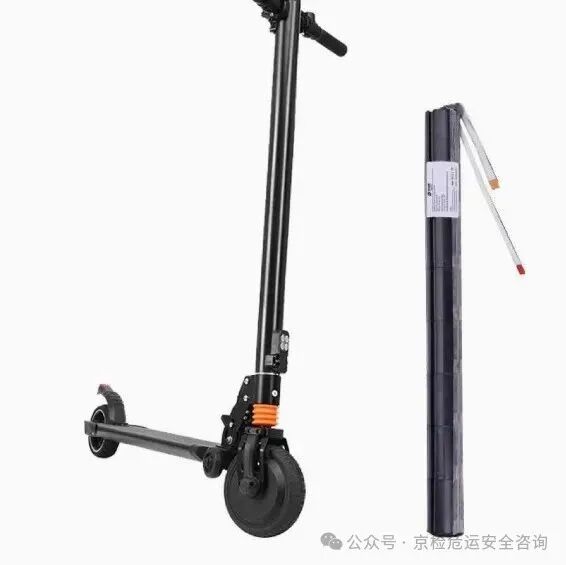
Battery-Powered Equipment: This refers to all other apparatus powered by batteries that do not meet the "vehicle" definition. This could include large battery-powered tools, medical devices, or industrial scanners. Crucially, for equipment, the battery type dictates the UN number:
- Only equipment powered by Wet batteries (e.g., traditional lead-acid, valve-regulated) may use UN3171.
- Equipment powered by Lithium-ion batteries must be declared under UN3481.
- Equipment powered by Lithium metal batteries must be declared under UN3091.
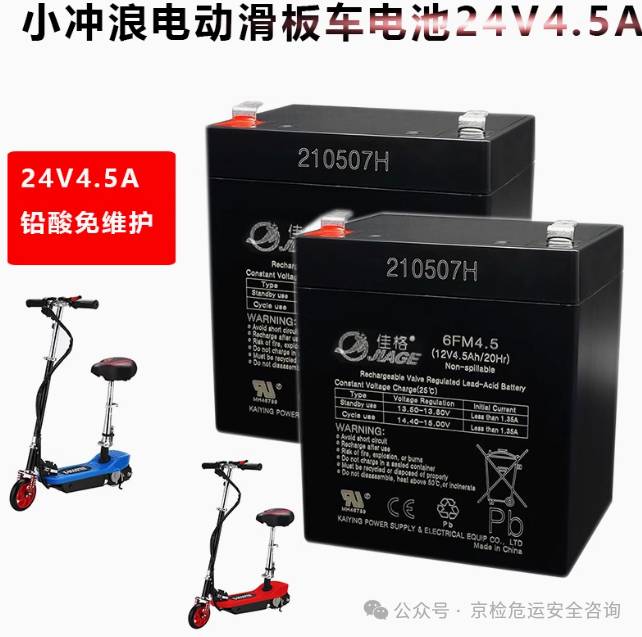
Universal Safety Precaution: Regardless of classification as a vehicle or equipment, all batteries must be securely installed and protected to prevent short circuits and accidental activation during transport, in accordance with packing instructions P908 or LP904.
2. Key Differences: Ocean Freight (IMDG) vs. Air Freight (IATA DGR)
While UN3171 exists in both regulatory frameworks, significant operational differences exist:
| Aspect | Ocean Freight (IMDG Code) | Air Freight (IATA DGR) |
|---|---|---|
| Regulatory Listings | Listed as a single entry: UN3171. | Often listed as two distinct entries with slight variations. |
| Exemptions for Vehicles | Yes. Vehicles may be exempt from full dangerous goods regulations if they meet the conditions of Special Provision 961 (e.g., for vehicles with certain battery types/sizes). | No. There is generally no analogous exemption for vehicles; they are typically always regulated as dangerous goods. |
| Battery-Specific Rules | Standard provisions apply for listed battery types. | Additional requirements for Sodium batteries regarding their specific chemical form. |
| Testing Requirements | No additional mandatory testing for wet batteries. | Mandatory testing for Wet batteries: Both equipment and vehicles (including potentially exempted ones) containing wet batteries must pass pressure differential and vibration tests to ensure they are leak-proof. |
3. Actionable Guidance for Shippers and Procurement Teams
- Classify First by Function: Before checking the battery, ask: "Is this a wheeled device designed to transport a person?" If yes, it's likely a Vehicle (UN3171). If no, proceed to battery-based classification for Equipment.
- Choose the Correct Modality: Understand that shipping a product by air will almost always involve stricter rules (no exemptions, mandatory tests) compared to ocean freight.
- Provide Complete Specifications: When engaging your freight forwarder, always provide the product's full specifications, including:
- Clear description and function (e.g., "electric stand-up scooter").
- Exact battery type (e.g., "Li-ion NMC, 36V, 10Ah").
- Whether the item contains any other regulated substances.
- Partner with a Certified Expert: Due to the nuances and frequent updates in dangerous goods regulations, work with a logistics partner certified in IATA/IMDG regulations. They can ensure correct declaration, packaging, marking, labeling, and documentation (e.g., Dangerous Goods Declaration, Shipper's Declaration for Dangerous Goods).
Conclusion
Successfully navigating UN3171 requires a precise understanding of the "vehicle vs. equipment" dichotomy and the divergent paths set by ocean and air regulations. By applying this structured logic and leveraging expert partnership, you can transform a potential compliance challenge into a smooth, reliable link in your global logistics chain.
Disclaimer: This guide provides general information based on IMDG Code and IATA DGR regulations. Always consult your freight forwarder and certified dangerous goods personnel for specific cargo requirements. Regulations are subject to change.