
Navigating the Safe Maritime Transport of UN 3536 Energy Storage Containers: A Guide for Global Shippers and Buyers
In the context of the global energy transition, the export demand for Energy Storage Containers (UN 3536), often referred to as "super power banks," is experiencing rapid growth. These systems are crucial for storing and converting renewable energy. This article aims to introduce the key shipping considerations for this unique and regulated cargo, particularly in light of new mandatory international regulations.
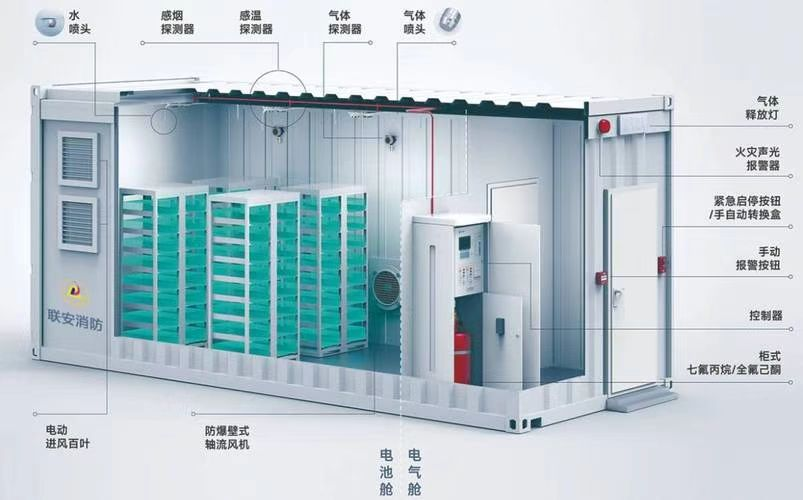
1. What is an Energy Storage Container (UN 3536)?
An Energy Storage Container, formally known as a Containerized Lithium Battery Energy Storage System, functions as a large-scale power bank. It stores electrical energy converted from renewable sources like solar or wind for later use. Given its large-capacity lithium batteries, it is classified as a Class 9 Dangerous Good under the International Maritime Dangerous Goods (IMDG) Code, assigned the UN Number 3536.
Primary Uses: Grid support, peak shaving, and integration with renewable energy projects (e.g., photovoltaic/wind farms).
Maritime Transport Risks:
- Thermal Runaway: The most critical risk. Internal short circuits, overcharging, or mechanical damage can cause a chain reaction of rising temperatures, leading to intense fires or explosions. Lithium battery fires are characterized by high temperatures, rapid spread, and the ability to reignite even after suppression.
- Electrical System Failure: Ship motion, vibration, and the harsh maritime environment (humidity, salt spray) can degrade the insulation of transformers, inverters, and cables, potentially causing short circuits and fires.
- Overweight Issues: Individual containers often weigh over 35 metric tons, sometimes reaching 45 tons. This can challenge the lifting capacity of some port equipment, especially considering the industry practice of derating equipment by 20% for dangerous goods handling. This poses risks of handling difficulties, container deformation, and internal battery damage.
2. Key Requirements for Safe Sea Transport
2.1 Declaration and Reporting
According to relevant maritime safety regulations (e.g., China's Regulations on the Safety Supervision of Carriage of Dangerous Goods by Ships), the shipper (consignor) must declare the shipment to the maritime authority at least 24 hours before the vessel's entry into or departure from the port (or before departure from the last port for voyages under 24 hours). Required documentation typically includes the Dangerous Goods Declaration, the vessel's Document of Compliance, and proof of the terminal's operational qualifications for dangerous goods.
2.2 Packaging and Construction
The container itself serves as both the cargo and the packaging. It must comply with the IMDG Code, the International Convention for Safe Containers (CSC), and relevant national technical rules (e.g., China's Technical Rules for Statutory Survey of Containers effective Oct 1, 2025). A valid Container Safety Certificate (CSC plate) issued by a recognized authority is mandatory. Per IMDG Code Special Provision 389, battery assemblies must be securely fastened within the container's structure. Essential equipment like fire suppression systems must also be properly secured.
2.3 Safety Performance
Battery packs must pass the UN Manual of Tests and Criteria, Part III, subsection 38.3 (UN 38.3) test series, which includes eight tests: altitude simulation, thermal, vibration, shock, external short circuit, impact/crush, overcharge, and forced discharge. Additional transport safeguards are required:
- Batteries must have a safety vent or be constructed to prevent rupture.
- Protections against short circuit, overcharge, and over-discharge must be in place.
- Battery packs with parallel cells require reverse current protection (e.g., diodes, fuses).
- Batteries must be securely fastened inside the container.
- Power conversion and monitoring systems inside the container must be powered down, with series/parallel circuits disconnected.
2.4 Documentation
Key documents for maritime declaration include the Safety Data Sheet (SDS) and the Container's Survey Certificate / CSC Plate Approval.
2.5 Marking and Labeling
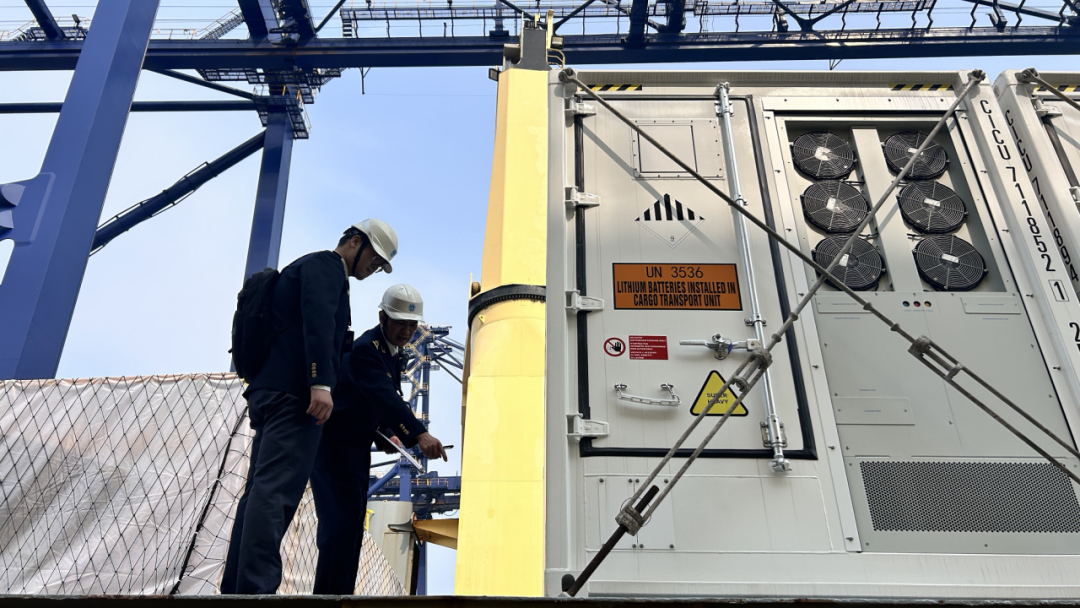
Per Special Provision 389, the batteries inside are exempt from marking/labeling requirements. However, the container itself must display a Class 9 hazard placard on two opposite sides. The UN number "UN 3536" must be displayed in black digits at least 65 mm high.
2.6 Stowage and Segregation NEW REGULATION EFFECTIVE JAN 1, 2026
A critical update in the IMDG Code, Amendment 40-24, changes the stowage category for UN 3536. The previous, more flexible Category A (allowed on or under deck) is replaced by the stricter Category D. Furthermore, new stowage codes SW1 and SW2 are assigned.
This means that from January 1, 2026, Energy Storage Containers (UN 3536) are only permitted for stowage ON DECK (weather deck). Under-deck stowage is PROHIBITED. They must also be stowed away from sources of heat and from crew accommodation and working spaces.
Conclusion
The maritime transport of Energy Storage Containers is a specialized and evolving field. Compliance with the latest IMDG Code requirements, particularly the new 2026 stowage rules, is paramount for ensuring safety throughout the supply chain. International buyers and partners sourcing these systems from China should work closely with experienced freight forwarders and Non-Vessel Operating Common Carriers (NVOCCs) who possess expertise in dangerous goods logistics to ensure all regulatory and safety protocols are meticulously followed.
Disclaimer: This guide provides general information based on IMDG Code Amendment 40-24. Always consult your freight forwarder and certified dangerous goods personnel for specific cargo requirements. Regulations are subject to change.